

Why Do My Gums Bleed When I Brush? Causes, Warning Signs, and What to Do
Learn why gums may bleed during brushing or flossing, how gingivitis and gum disease can play a role, and when to schedule a dental evaluation.
Written By Escrito Por
Gateway Dental
Reviewed By Revisado Por
Gateway Dental Team

Seeing blood on your toothbrush or floss can be easy to dismiss, especially if your gums do not hurt. But gums that bleed repeatedly deserve attention.
One of the most common reasons for bleeding gums is inflammation caused by plaque buildup along the gumline. In its earliest stage, this inflammation is called gingivitis. Gingivitis can often be improved with consistent home care and professional dental cleaning, but untreated gum disease can progress and affect the tissues and bone that support the teeth.
At Gateway Dental, patients in Miami, Hialeah, and surrounding Miami-Dade communities can have bleeding, swollen, tender, or receding gums evaluated before the problem becomes more difficult to manage.
This guide explains why gums may bleed, what signs can point to gum disease, what your dentist may look for, and what you can do next.
Is it normal for gums to bleed when brushing or flossing?
Healthy gums generally should not bleed regularly during normal brushing or flossing.
An isolated episode can happen if you brush too aggressively, irritate the gum tissue, or begin cleaning between teeth after a long period without doing so. However, bleeding that happens repeatedly can be a sign that the gums are inflamed.
Gingivitis often causes gums to become red, swollen, tender, or easy to bleed. Because early gum disease may not cause much pain, bleeding can be one of the first signs patients notice.
If your gums keep bleeding, a dental evaluation can help determine whether the cause is plaque-related inflammation, a brushing or flossing issue, periodontal disease, or another concern.
Gateway Dental’s oral hygiene care page explains how professional cleaning and home-care guidance can support healthier gums.
Why do gums bleed?
Bleeding is a symptom rather than a diagnosis. Several factors may contribute, and more than one can be present at the same time.
1. Plaque buildup and gingivitis
Plaque is a sticky film of bacteria that continually forms on teeth. When plaque is not removed effectively from the gumline and between teeth, the gums can become inflamed.
This early stage of gum disease is called gingivitis. Common signs include:
- Bleeding during brushing or flossing
- Red or swollen gums
- Tender gums
- Persistent bad breath
- Gum sensitivity
Gingivitis is an important point for early intervention because the inflammation can often be controlled before there is permanent loss of the supporting bone around the teeth.
2. Tartar that cannot be removed at home
Plaque that remains on the teeth can harden into tartar, also called calculus.
Once tartar forms, brushing and flossing alone cannot remove it. A dentist or dental hygienist needs to remove it with professional instruments.
Tartar can make it harder to keep the gumline clean and can contribute to ongoing inflammation and bleeding.
If it has been a while since your last cleaning, a dental exam can determine what type of professional cleaning is appropriate for your gums.
3. Brushing too hard
Using excessive pressure can irritate the gum tissue and may contribute to soreness or recession over time.
Brushing harder is not the same as brushing better. The goal is to remove plaque thoroughly without traumatizing the gums.
A dental professional can show you a brushing technique and toothbrush type that fit your needs. For many patients, a soft-bristled toothbrush is appropriate.
4. Inconsistent cleaning between the teeth
A toothbrush cannot effectively clean every tight space between teeth. Plaque that remains between teeth can contribute to gingival inflammation.
Daily interdental cleaning may include dental floss, interdental brushes, or another method recommended for your mouth.
If flossing causes bleeding every time, do not assume the floss itself is necessarily the problem. The gums may already be inflamed and should be evaluated if the bleeding persists.
5. Smoking and tobacco use
Smoking is an important risk factor for periodontal disease and can affect how gum disease presents and responds to treatment.
People who smoke may not always notice the same amount of gum bleeding despite having periodontal problems, because smoking can alter the inflammatory response in gum tissue.
If you use tobacco, tell your dentist. It is relevant to your gum-health assessment and long-term treatment planning.
6. Diabetes and other health factors
Diabetes is associated with a higher risk of periodontal disease, especially when blood glucose is not well controlled.
Hormonal changes, certain medications, genetics, and other health conditions may also influence gum health.
Your dental team should know about your medical history and current medications so they can consider these factors during your examination.
For your appointment, our what to bring checklist can help you prepare your medication and health information.
What is the difference between gingivitis and periodontitis?
The terms are related, but they do not mean the same thing.
Gingivitis is inflammation of the gums without the bone loss that defines periodontitis. The gums may be red, swollen, or prone to bleeding. With proper home care and professional treatment, gingivitis can often be reversed.
Periodontitis is a more advanced form of gum disease in which inflammation and infection affect the tissues supporting the teeth, including the bone. Periodontitis cannot simply be reversed with brushing, but it can often be managed with professional periodontal treatment and ongoing maintenance.
Possible signs of more advanced gum disease can include:
- Persistent bleeding
- Gum recession
- Deep spaces or pockets around teeth
- Loose or shifting teeth
- Pain when chewing
- Persistent bad breath
- Changes in the way your teeth fit together
Because gum disease can progress with few noticeable symptoms, an examination is the most reliable way to understand what is happening.
How does a dentist evaluate bleeding gums?
A gum-health evaluation is more than a quick look at the tissue.
Depending on your symptoms and dental history, your dentist or hygienist may:
- Ask when the bleeding started and how often it happens
- Review your brushing and flossing routine
- Examine the color, shape, and condition of the gums
- Look for plaque and tartar buildup
- Measure the spaces between the teeth and gums with a periodontal probe
- Check for gum recession or tooth mobility
- Review your medical history, medications, smoking status, and diabetes history
- Recommend dental X-rays when bone levels or other structures need to be evaluated
These findings help distinguish simple gingival inflammation from periodontitis or another problem that may require a different treatment plan.
Will a regular dental cleaning stop bleeding gums?
It depends on the diagnosis.
If the bleeding is related to gingivitis and there is no significant periodontal attachment or bone loss, a professional cleaning combined with improved home care may be enough to help the gums become healthier.
If periodontitis is present, a standard cleaning may not be sufficient. Treatment can involve deeper cleaning below the gumline, commonly called scaling and root planing, as well as periodontal maintenance and other therapies based on the severity of the disease.
Gateway Dental also offers laser gum treatment for appropriate periodontal concerns. Your dentist can explain whether that type of care is relevant to your specific diagnosis.
What can I do at home for bleeding gums?
Home care matters, but it should support—not replace—a professional evaluation when bleeding is persistent.
General oral-hygiene habits include:
- Brush twice a day with fluoride toothpaste
- Use gentle, thorough brushing rather than excessive pressure
- Clean between your teeth every day with floss or another suitable interdental cleaner
- Replace a worn toothbrush or brush head
- Follow any personalized home-care instructions from your dental team
- Keep regular dental exams and professional cleanings
- Avoid tobacco use
If an area is painful or bleeds heavily, forcing floss or a brush into the tissue is not a good substitute for finding out why it is happening.
Our preventive dentistry page covers the role of routine exams, cleanings, and prevention in maintaining long-term oral health.
Should I stop flossing if my gums bleed?
Persistent bleeding is a reason to understand the health of your gums, not necessarily a reason to stop cleaning between your teeth altogether.
Plaque can accumulate in areas a toothbrush does not reach well, and interdental cleaning is an important part of controlling plaque. However, technique matters. Snapping floss forcefully into the gums can cause trauma.
If you are unsure whether you are flossing correctly, bring your questions to your next visit. A dentist or hygienist can demonstrate a technique that fits your tooth spacing, restorations, and gum condition.
Can mouthwash fix bleeding gums?
Mouthwash can be a helpful addition to an oral-care routine for some patients, but it does not replace brushing, interdental cleaning, or professional treatment.
If plaque or tartar is driving gum inflammation, the underlying buildup still needs to be addressed. If periodontal disease is present, rinsing alone will not treat deep periodontal pockets or bone loss.
Some patients may benefit from a specific over-the-counter or prescription rinse. Your dentist can recommend one when appropriate instead of relying on marketing claims or choosing a product solely because it creates a strong sensation.
When should I see a dentist about bleeding gums?
Schedule a dental evaluation if bleeding is recurring, lasts for more than a short period, or appears along with other changes in your gums or teeth.
It is especially important to mention:
- Swollen, red, or tender gums
- Gum recession
- Persistent bad breath
- Pus or drainage around the gums
- Loose or shifting teeth
- Pain when chewing
- A change in your bite
- A medical condition such as diabetes
- Tobacco use
If you have significant facial swelling, difficulty breathing or swallowing, uncontrolled bleeding, fever with worsening oral swelling, or another symptom that feels severe or rapidly progressive, seek prompt medical or dental care.
Can gum disease affect dental implants or future treatment?
Healthy gums and supporting bone are important when planning many restorative and cosmetic treatments.
If you are considering dental implants, crowns, veneers, or clear aligners, active gum disease may need to be managed first. Treating inflammation and stabilizing periodontal health can help create a healthier foundation for future dental work.
If you are considering tooth replacement, visit our implant dentistry page and read our dental implants guide for an overview of treatment planning.
Questions to ask at your gum-health visit
If your gums have been bleeding, consider asking:
- Do I have gingivitis or periodontitis?
- Is there tartar below my gumline?
- Are any periodontal pockets deeper than expected?
- Do my X-rays show bone loss?
- Is my brushing technique too aggressive?
- What is the best way for me to clean between my teeth?
- Do I need a regular cleaning or a deeper periodontal cleaning?
- Would periodontal maintenance be recommended afterward?
- Are any of my health conditions or medications affecting my gums?
- How often should my gum health be rechecked?
Understanding the diagnosis makes it easier to follow a treatment plan and know what improvement should look like.
Helpful next steps
If you are concerned about bleeding gums, these Gateway Dental resources may help:
- Oral hygiene care
- Laser gum treatment
- Preventive dentistry
- What to bring to your appointment
- Dental insurance information
- Gateway Dental locations
Concerned about bleeding gums in Miami or Hialeah?
Bleeding gums are common, but repeated bleeding should not simply be ignored. A dental exam can help determine whether the cause is gingivitis, periodontitis, tartar buildup, brushing technique, or another factor.
Gateway Dental serves patients at our Coral Way and Hialeah offices. Schedule a visit at the location that works best for you so our team can evaluate your gums, explain the findings, and recommend the next step based on your oral health.
Continue learning about your dental care. Siga aprendiendo sobre su cuidado dental.
Explore more Gateway Dental articles related to patient education, dental visits, and treatment planning. Explore más artículos de Gateway Dental relacionados con educación del paciente, visitas dentales y planificación de tratamiento.

Gum Health
Periodontal Maintenance After Gum Treatment: Why Follow-Up Visits Matter
Finished a deep cleaning or gum-disease treatment? Learn what periodontal maintenance involves, why follow-up care matters, and which questions to ask.

Gum Health
What Are Gum Pockets? What Dentists Measure During a Periodontal Exam
Learn what periodontal pocket measurements mean and why dentists consider several gum-health findings together.
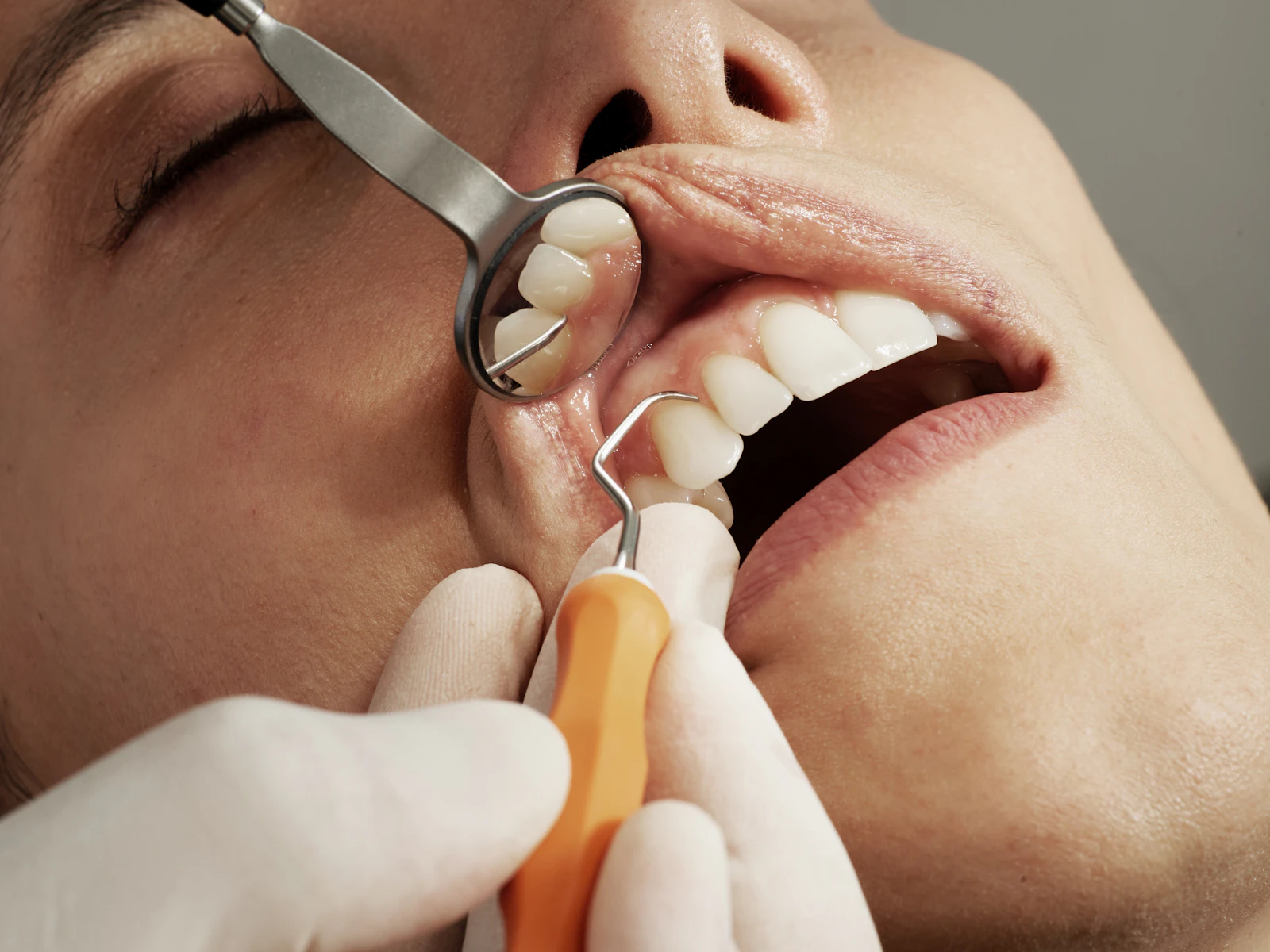
Gum Health
Deep Cleaning vs. Regular Dental Cleaning: How Dentists Decide Which You Need
Learn the difference between a regular dental cleaning and a deep cleaning with scaling and root planing, why gum pocket measurements matter, and what to expect after treatment.
Our team is here to help you understand your options. Nuestro equipo está aquí para ayudarle a entender sus opciones.
Call Gateway Dental to schedule a visit or ask questions about services, insurance, financing, or next steps. Llame a Gateway Dental para agendar una visita o hacer preguntas sobre servicios, seguros, financiamiento o próximos pasos.