

Periodontal Maintenance After Gum Treatment: Why Follow-Up Visits Matter
Finished a deep cleaning or gum-disease treatment? Learn what periodontal maintenance involves, why follow-up care matters, and which questions to ask.
Written By Escrito Por
Gateway Dental

After treatment for gum disease, you may feel that the hardest part is over. Your gums may be more comfortable and bleeding may have improved. But a completed deep cleaning is not necessarily the end of periodontal care.
The American Academy of Periodontology (AAP) explains that after scaling and root planing, many patients need ongoing maintenance therapy to help sustain periodontal health. That follow-up is different from simply waiting until a problem becomes painful again. AAP: Non-Surgical Treatments
What does periodontal maintenance mean?
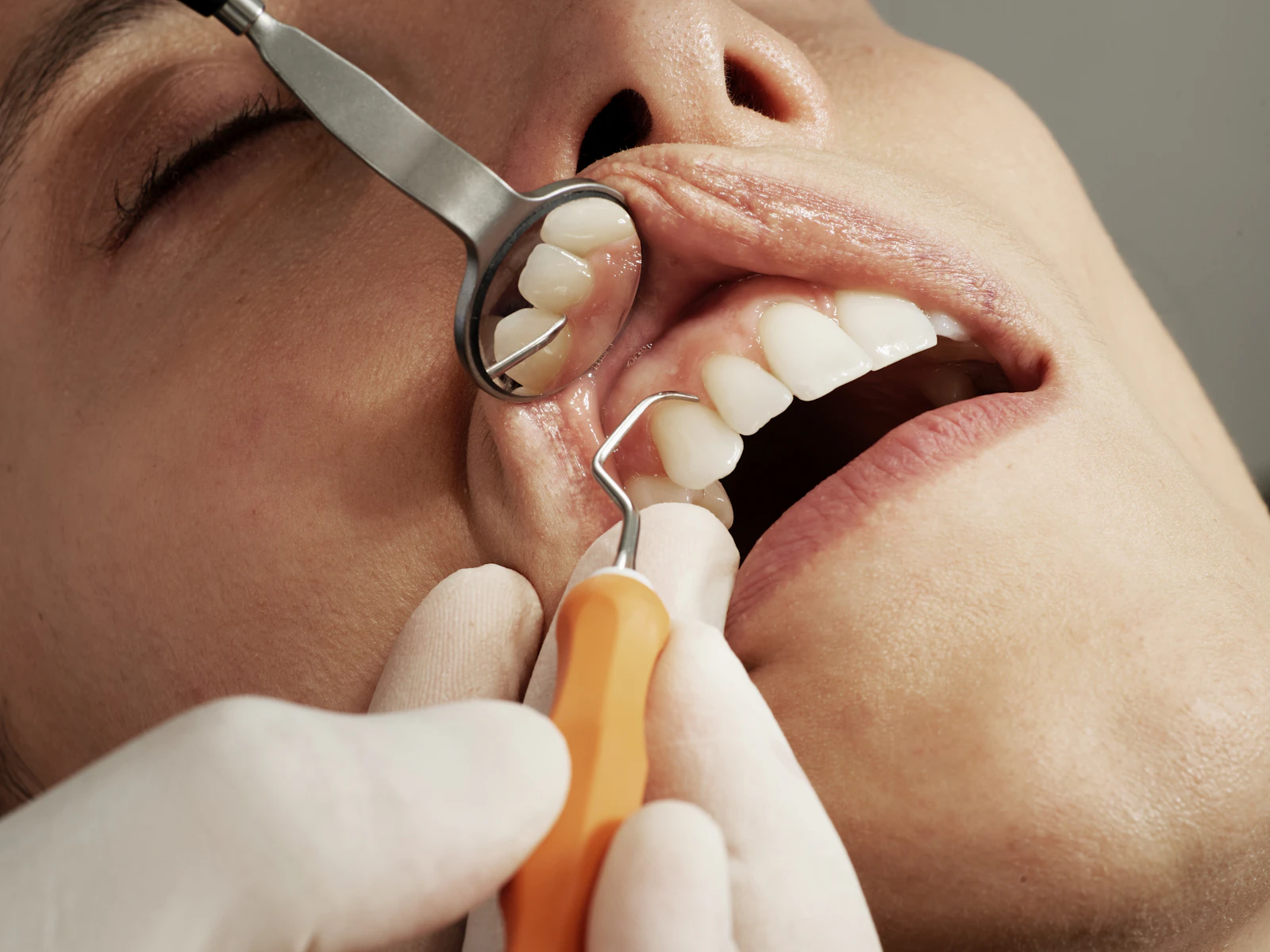
Periodontal maintenance describes follow-up care after treatment for periodontitis or other diagnosed periodontal problems. Its purpose is to reassess the tissues that support your teeth, manage deposits that accumulate over time, and identify concerns that warrant further evaluation.
Periodontitis can affect both the gums and the bone supporting teeth. The National Institute of Dental and Craniofacial Research (NIDCR) explains that a periodontal assessment can include measuring spaces around teeth and taking appropriate radiographs to evaluate supporting bone. NIDCR: Periodontal Disease
A maintenance appointment is therefore more than a quick polishing visit. Your dental team considers the health of the gums, the history of disease, and how well home care is working.
How is maintenance different from a deep cleaning?
Scaling and root planing is a type of active treatment that removes deposits from root surfaces below the gumline. It may be recommended when a periodontal examination identifies disease that routine preventive cleaning cannot adequately address. AAP: Scaling and Root Planing
Maintenance, in contrast, is the follow-through after treatment. It may involve a review of pocket measurements and bleeding, removal of plaque and calculus where appropriate, and discussion of whether additional treatment is necessary.
Our earlier article on deep cleaning versus regular dental cleaning explains the active-treatment decision. This guide focuses on the period after that decision and treatment have occurred.
Why might your gums need continuing attention?
A history of periodontitis remains relevant even when symptoms improve. Plaque can accumulate again, some areas may be difficult to clean, and disease changes do not always produce obvious discomfort.
Maintenance lets your clinician compare current findings with earlier measurements. Ask whether bleeding, pocket depth, gum recession, or bone-support findings have changed rather than relying only on how your mouth feels. To understand the measurements themselves, see what dentists check during a periodontal exam.
If your gums begin bleeding again, do not assume that another routine cleaning is all you need. Let your dentist know and ask whether a focused assessment is appropriate. Our bleeding-gums guide explains why several conditions can contribute.
How often should periodontal maintenance happen?
There is no single interval that fits every patient. Frequency depends on the periodontal diagnosis, previous treatment, ongoing findings, home-care effectiveness, and other risk factors.
You may hear about appointments every few months, but a calendar rule does not replace an individualized recommendation. Ask your clinician to explain the chosen interval and which findings might justify changing it. If you need to reschedule, ask how far you can safely delay rather than stopping maintenance without discussion.
What should you do between appointments?
Consistent home care complements professional treatment. NIDCR recommends brushing with fluoride toothpaste and cleaning between teeth to help control plaque. Your dental team may recommend a particular interdental cleaning aid to reach areas affected by gum disease. NIDCR: Oral Hygiene
Daily priorities include:
- Brush thoroughly along the gumline without aggressive scrubbing.
- Clean between teeth every day using the method recommended for your mouth.
- Tell the team about changes such as persistent bleeding, swelling, or new tooth mobility.
- Bring your current medication list and update the team about changes in overall health.
- Ask for a demonstration if an area is difficult to reach or an appliance complicates cleaning.
Avoid interpreting a lack of bleeding as proof that the disease cannot return. A professional examination looks at more than one symptom.
What if your gums do not respond as expected?
Some patients need additional treatment or a periodontal specialist’s evaluation. The AAP notes that nonsurgical care has limitations and that surgery may be considered when it does not adequately address the disease. AAP: Non-Surgical Treatments
A referral or a revised plan does not automatically mean you did something wrong. It means the current clinical findings should guide the next step. You can ask what has changed, which options are being considered, and how each affects long-term maintenance.
Questions to bring to your next visit
- What was my original periodontal diagnosis, and what is the status today?
- Which sites need extra attention during daily cleaning?
- Why is this maintenance interval recommended for me?
- What changes should prompt an earlier appointment?
- Would I benefit from a periodontal specialist’s assessment?
Gateway Dental provides oral hygiene and preventive dentistry information for patients in Miami and Hialeah. Contact the practice to discuss your individual gum-health history and ask what kind of follow-up evaluation is appropriate. The goal is a sustainable care plan—not a promise that one cleaning has permanently solved a chronic problem.
Continue learning about your dental care. Siga aprendiendo sobre su cuidado dental.
Explore more Gateway Dental articles related to patient education, dental visits, and treatment planning. Explore más artículos de Gateway Dental relacionados con educación del paciente, visitas dentales y planificación de tratamiento.

Gum Health
What Are Gum Pockets? What Dentists Measure During a Periodontal Exam
Learn what periodontal pocket measurements mean and why dentists consider several gum-health findings together.
Gum Health
Deep Cleaning vs. Regular Dental Cleaning: How Dentists Decide Which You Need
Learn the difference between a regular dental cleaning and a deep cleaning with scaling and root planing, why gum pocket measurements matter, and what to expect after treatment.

Gum Health
Why Do My Gums Bleed When I Brush? Causes, Warning Signs, and What to Do
Learn why gums may bleed during brushing or flossing, how gingivitis and gum disease can play a role, and when to schedule a dental evaluation.
Our team is here to help you understand your options. Nuestro equipo está aquí para ayudarle a entender sus opciones.
Call Gateway Dental to schedule a visit or ask questions about services, insurance, financing, or next steps. Llame a Gateway Dental para agendar una visita o hacer preguntas sobre servicios, seguros, financiamiento o próximos pasos.