

Do I Need a Root Canal? Symptoms Dentists Evaluate Before Treatment
Learn which symptoms can point to an inflamed or infected tooth pulp, why pain alone cannot diagnose a root canal, and what dentists check before recommending treatment.
Written By Escrito Por
Gateway Dental
Reviewed By Revisado Por
Gateway Dental Team

A tooth that suddenly starts throbbing, hurts when you bite, or stays sensitive after a sip of something cold can make one question jump to mind: Do I need a root canal?
Sometimes the answer is yes. Sometimes the same symptom comes from a cavity, a crack, an old filling, gum recession, grinding, or another problem that needs a different treatment.
That is why dentists do not diagnose the need for a root canal from one symptom alone.
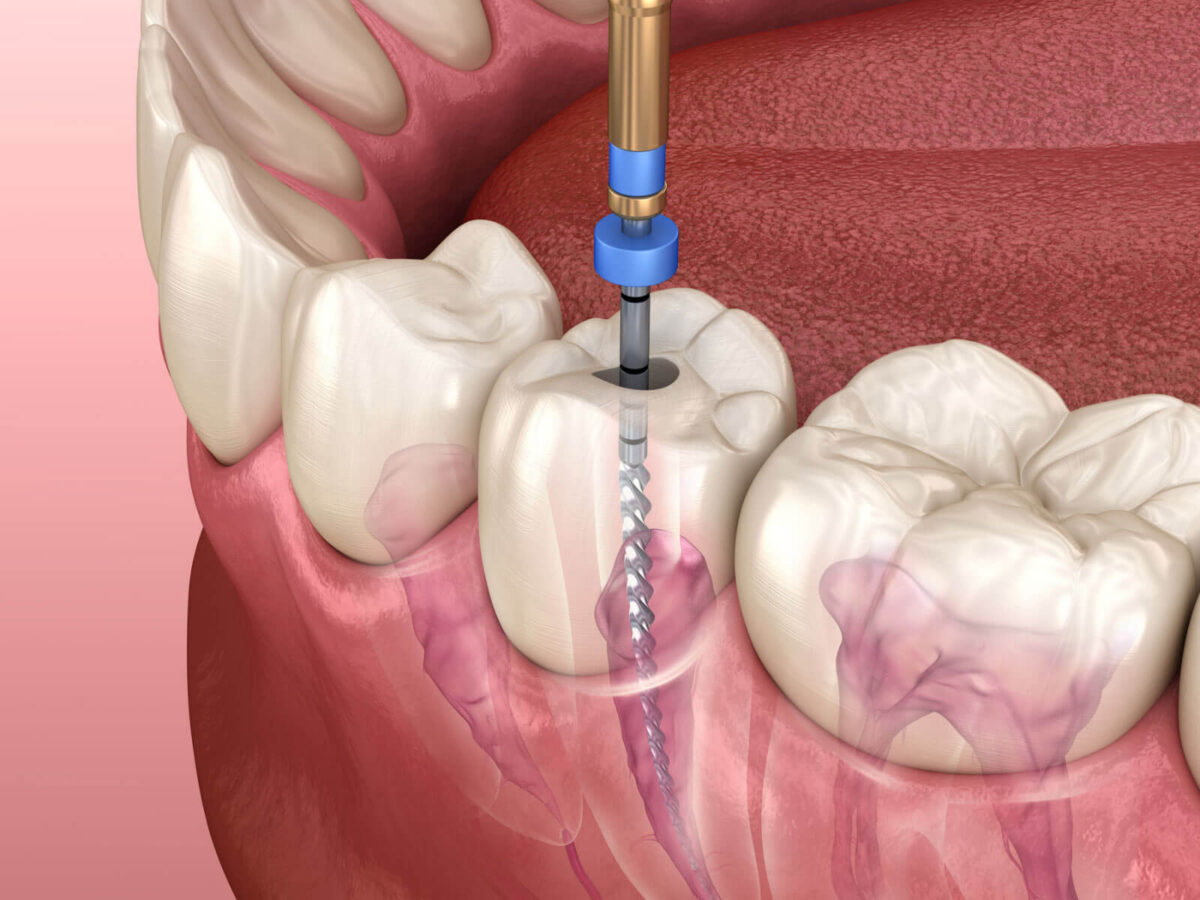
Root canal treatment is generally considered when the soft tissue inside a tooth—the dental pulp—has become inflamed or infected in a way that cannot recover predictably on its own. The goal is to remove the diseased pulp, clean and seal the inside of the tooth, and preserve the natural tooth when it can be restored successfully.
At Gateway Dental, we help patients in Miami, Hialeah, and surrounding Miami-Dade communities evaluate tooth pain, sensitivity, swelling, cracks, and deep decay so they can understand what is happening before choosing treatment. This guide explains the symptoms that can point toward root canal treatment, what those symptoms do not prove by themselves, and what dentists typically check before making a recommendation.
What is a root canal actually treating?
Every natural tooth has several layers.
The outer enamel protects the tooth. Underneath it is dentin. At the center is the pulp chamber and root canal system, which contain nerves, blood vessels, and connective tissue.
The pulp can become inflamed or infected because of problems such as:
- Deep tooth decay
- A cracked or chipped tooth
- Trauma to a tooth
- Repeated dental procedures on the same tooth
- Leakage or breakdown around an older restoration
- A large cavity that reaches close to the pulp
When the pulp is only mildly irritated, it may sometimes recover after the source of irritation is corrected. But when inflammation becomes irreversible or bacteria infect the pulp and surrounding tissues, root canal treatment may be recommended to remove the diseased tissue and help save the tooth.
You can learn more about the procedure itself on our root canal treatment page.
7 symptoms that may mean you need a root canal
No single symptom guarantees that root canal treatment is necessary. However, several patterns are commonly associated with significant pulp inflammation or infection and deserve evaluation.
1. Tooth pain that is persistent, spontaneous, or difficult to ignore
A toothache that appears without an obvious trigger or keeps returning can indicate a problem inside the tooth.
Patients may describe the pain as:
- Throbbing
- Deep or aching
- Sharp
- Pressure-like
- Intermittent but increasingly frequent
- Strong enough to interfere with sleep or concentration
Pain alone does not identify the exact cause. A cracked tooth, a high bite, gum problems, sinus pressure, or grinding can also produce dental discomfort.
The pattern matters. A dentist will want to know when the pain started, what makes it worse, whether it wakes you up, and whether it has changed over time.
2. Lingering sensitivity to hot or cold
Many people have brief tooth sensitivity. A quick twinge from ice water that disappears immediately does not automatically mean a root canal is needed.
A more concerning pattern is temperature pain that continues after the hot or cold stimulus is gone.
Lingering sensitivity can suggest that the pulp is significantly inflamed, especially when the discomfort is strong, spontaneous, or becoming more frequent.
Our guide to cold tooth sensitivity explains several other reasons a tooth can react to temperature, including exposed roots, worn enamel, decay, cracks, and damaged restorations.
3. Pain when biting or chewing
Pain when you bite down can occur when tissues around a tooth’s root are inflamed. It can also happen with:
- A cracked tooth
- A loose or damaged filling
- A bite problem
- Trauma
- Gum or bone problems
- Infection around the root
If a tooth feels tender every time you chew, particularly when that symptom is new or worsening, it should be evaluated rather than simply avoided.
If you suspect a fracture, see our guide on what to do with a chipped or cracked tooth.
4. Swollen or tender gums near one tooth
Localized swelling around a painful tooth can indicate inflammation or infection around the root.
You may notice:
- Tender gum tissue
- A raised or swollen area beside a tooth
- Pressure or fullness in the gum
- Swelling that comes and goes
- Drainage or an unpleasant taste
Swelling deserves prompt attention because dental infections do not reliably resolve just because the pain temporarily decreases.
5. A pimple-like bump on the gum
A small bump that looks like a pimple on the gum near a tooth may be a drainage pathway associated with an infection around the tooth’s root.
It may:
- Appear and disappear
- Drain fluid
- Cause a bad taste
- Be tender or painless
A draining area can actually make a tooth feel less painful because pressure is being released. That does not mean the underlying infection has resolved.
6. A tooth that becomes darker after trauma
A tooth that changes color after an injury may have suffered damage to the pulp even if the tooth never broke visibly.
Discoloration alone does not prove that root canal treatment is required, but a tooth that becomes gray or noticeably darker than neighboring teeth—especially after a fall, sports injury, collision, or other trauma—should be checked.
Dental trauma can affect the pulp gradually, so symptoms may develop long after the original injury.
7. Deep decay or a large restoration close to the pulp
Some teeth need endodontic evaluation before the patient experiences severe pain.
A deep cavity can approach or enter the pulp chamber. Likewise, a tooth with a very large filling, repeated restorative work, or a new fracture may have substantial pulpal irritation even when symptoms are mild.
Our guide on whether a cavity can heal on its own explains the difference between early reversible mineral loss and a true cavity that has already caused structural damage.
Can you need a root canal without having tooth pain?
Yes.
A tooth with pulp necrosis or a chronic infection may sometimes cause very little pain. In other cases, a patient may notice only a gum bump, discoloration, mild tenderness, or an X-ray finding discovered during an examination.
This is one reason pain level should not be used as the only measure of severity.
A tooth that hurts badly does not automatically need a root canal, and a tooth that does not hurt is not automatically healthy.
Does every severe toothache need a root canal?
No.
Tooth pain has many possible causes, including:
- Tooth decay that has not reached the pulp
- A cracked tooth
- A loose or failing filling
- Gum recession and exposed root surfaces
- Teeth grinding or clenching
- Bite-related trauma
- Gum disease
- Sinus-related pressure in upper teeth
- Food trapped between teeth
- Problems with an existing crown or restoration
The goal of an evaluation is not to find a reason to perform a root canal. It is to identify the source of the pain and choose the treatment that matches the diagnosis.
That may mean a filling, a crown, bite adjustment, periodontal care, a mouth guard, root canal treatment, extraction, or another approach depending on the tooth.
If a tooth has lost substantial structure, our guide to dental crowns versus fillings explains how dentists consider the amount of healthy tooth that remains.
How does a dentist determine whether you actually need a root canal?
A root canal recommendation should be based on a diagnosis, not on a symptom checklist alone.
The evaluation may include several steps.
Review of your symptoms and dental history
Your dentist may ask:
- When did the pain begin?
- Is the pain spontaneous or triggered?
- How long does temperature sensitivity last?
- Does biting hurt?
- Has the tooth been injured?
- Has the tooth had a large filling, crown, or previous dental work?
- Is there swelling, drainage, or a bad taste?
- Have symptoms improved, worsened, or changed?
These details help narrow the possible causes.
Visual and clinical examination
The dentist may inspect the tooth for:
- Cavities
- Cracks or fractures
- Broken or leaking restorations
- Swelling
- Gum changes
- Discoloration
- Drainage
- Bite-related problems
The surrounding teeth are often examined too, because pain can sometimes be difficult to localize accurately.
Temperature or pulp testing
A dentist may compare how the suspected tooth and neighboring teeth respond to cold, heat, or other pulp tests.
What matters is not simply whether the tooth reacts, but how it reacts and how long the sensation lasts relative to nearby teeth.
These tests are interpreted together with symptoms, examination findings, and imaging.
Tapping, biting, and pressure tests
Gentle percussion or bite testing may help determine whether the tissues around the root are inflamed or whether a crack is suspected.
Again, one positive test does not establish the whole diagnosis.
Dental X-rays
Dental radiographs can help identify:
- Deep decay
- Changes around the root tip
- Bone loss
- Previous root canal treatment
- The size and shape of restorations
- Other findings that may affect whether the tooth can be restored
An X-ray is important, but a normal-looking X-ray does not automatically rule out every pulpal problem. Clinical testing and symptom history still matter.
What happens if the dentist confirms that you need a root canal?
During root canal treatment, the dentist or endodontist accesses the inside of the tooth, removes inflamed or infected pulp tissue, cleans and disinfects the canal system, and seals the space.
The tooth then needs an appropriate final restoration.
Depending on the tooth and how much structure remains, that restoration may be a filling, crown, or another type of restorative treatment.
The purpose is not simply to stop pain. It is to address disease inside the tooth and preserve the natural tooth when it has a reasonable restorative prognosis.
Does a root canal always mean you need a crown afterward?
Not every root-canal-treated tooth requires the exact same restoration.
The final plan depends on factors such as:
- Which tooth was treated
- How much natural tooth remains
- Whether a large cavity or filling was already present
- Whether a crack exists
- Chewing forces
- The size of the access opening
- The long-term restorative plan
Posterior teeth that have lost substantial structure often need broader coverage, but the recommendation should be individualized.
If a crown is being discussed, our crown vs. filling guide can help you understand what dentists evaluate.
Root canal vs. extraction: which is better?
When a tooth can be treated and restored predictably, root canal treatment may allow you to keep the natural tooth.
Extraction may be considered when the tooth cannot be restored successfully because of factors such as an unfavorable fracture, severe loss of tooth structure, inadequate support, or another condition that makes saving it unpredictable.
The decision should be based on restorability, periodontal support, infection, cracks, long-term prognosis, your overall treatment plan, and your preferences—not simply on which procedure sounds easier.
For a deeper comparison, read Root Canal vs. Tooth Extraction: How Dentists Decide.
What happens if you delay evaluation?
The answer depends on what is causing the symptoms.
If the pulp is irreversibly inflamed or infected, waiting may allow the problem to progress. Infection can extend beyond the tooth and form an abscess. A tooth that could potentially be treated and restored may also become more difficult to save if decay, fracture, or infection advances.
At the same time, not every sensitive tooth is an emergency and not every toothache means an infection is spreading.
That is why the safest approach is to have persistent, severe, or worsening symptoms examined instead of trying to diagnose the tooth from pain level alone.
When is tooth pain more urgent?
Contact a dentist promptly for tooth pain accompanied by signs such as:
- New or increasing swelling
- A pimple-like gum bump or drainage
- Severe or escalating pain
- Facial swelling
- Fever or feeling systemically unwell along with a dental infection
- Trauma with significant tooth damage
Diffuse facial or neck swelling that interferes with breathing or swallowing can represent a medical emergency and requires immediate emergency evaluation.
Antibiotics are also not a substitute for dental treatment in most pulpal and localized dental infections. The source of the problem still needs to be addressed by a dentist, with antibiotics reserved for situations in which they are clinically indicated.
What can you do while waiting for your dental visit?
Until you are evaluated:
- Avoid chewing hard foods on the painful tooth
- Avoid very hot or cold foods if they trigger symptoms
- Keep the area clean with gentle brushing and flossing
- Do not place aspirin directly on the tooth or gum
- Do not ignore swelling just because pain improves
- Follow medication directions from your healthcare professional or the product label
Temporary symptom relief does not establish that the tooth has healed.
Questions to ask if a root canal is recommended
A clear treatment discussion should explain both the diagnosis and the alternatives.
Useful questions include:
- What is the diagnosis inside the tooth?
- What did the examination and X-ray show?
- Is the pulp inflamed, infected, or no longer vital?
- Is there evidence of an abscess?
- Is the tooth cracked?
- Can the tooth be restored predictably after root canal treatment?
- What restoration will the tooth need afterward?
- Are there reasonable alternatives?
- What happens if I wait?
- Would referral to an endodontist be useful for this case?
Frequently asked questions about root canal symptoms
Does lingering cold sensitivity mean I definitely need a root canal?
No. Lingering temperature sensitivity can be associated with significant pulp inflammation, but diagnosis requires an examination and appropriate testing. Brief sensitivity can also come from exposed roots, enamel wear, decay, cracks, or restorations.
Can a tooth infection go away without a root canal?
A bacterial infection inside a necrotic or infected pulp does not become healthy simply because symptoms temporarily improve. The appropriate treatment depends on the diagnosis and whether the tooth can be saved, which may involve root canal treatment, drainage, extraction, or another procedure.
Can an X-ray alone tell whether I need a root canal?
Not always. X-rays provide important information about decay, restorations, roots, bone, and changes around the tooth, but dentists interpret imaging together with symptoms, clinical examination, and pulp or bite testing.
Can I need a root canal if the tooth does not hurt?
Yes. Some infected or non-vital teeth cause little or no pain. A gum bump, drainage, discoloration, trauma history, or an imaging finding may prompt further evaluation.
Is root canal treatment supposed to relieve pain?
When pain is coming from inflamed or infected pulp tissue, root canal treatment is intended to remove the diseased tissue and treat the source of that pain. Some soreness or tenderness can occur for a few days after treatment as the surrounding tissues recover.
How quickly should I get a painful tooth checked?
Persistent, worsening, or severe tooth pain should be evaluated promptly. Swelling, drainage, facial swelling, fever, or trauma increases the urgency.
Related Gateway Dental resources
If you are trying to understand what may be happening to a painful tooth, these pages may help:
- Root canal treatment
- Restorative dentistry
- Chipped or cracked tooth guide
- Cold tooth sensitivity guide
- Can a cavity heal on its own?
- Dental crown vs. filling
- Root canal vs. tooth extraction
- Dental insurance information
- Financing options
Have a tooth that may need a root canal?
You do not have to determine the diagnosis from symptoms on your own.
Gateway Dental can evaluate the tooth, review dental imaging when appropriate, compare pulp and bite responses, and explain whether root canal treatment or another option best fits the diagnosis.
Patients can schedule with Gateway Dental of Coral Way in Miami or Gateway Dental of Hialeah to review tooth pain, sensitivity, swelling, cracks, or deep decay and discuss the next step.
Continue learning about your dental care. Siga aprendiendo sobre su cuidado dental.
Explore more Gateway Dental articles related to patient education, dental visits, and treatment planning. Explore más artículos de Gateway Dental relacionados con educación del paciente, visitas dentales y planificación de tratamiento.
Root Canal Treatment
Root Canal Recovery: What to Expect After Treatment and When to Call
Learn what can be normal after root canal treatment, why the final restoration matters, how to protect the tooth, and which symptoms need prompt follow-up.

Root Canal Treatment
Do You Need a Crown After a Root Canal? Why the Final Restoration Matters
Learn why root canal treatment is followed by a permanent restoration, which teeth often need crowns, and why delaying the final repair can put the tooth at risk.

Dental Emergencies
Dental Abscess: Warning Signs, Treatment, and When to Seek Urgent Care
Learn which dental abscess symptoms need prompt evaluation, why the source needs treatment, and when swelling becomes an emergency.
Our team is here to help you understand your options. Nuestro equipo está aquí para ayudarle a entender sus opciones.
Call Gateway Dental to schedule a visit or ask questions about services, insurance, financing, or next steps. Llame a Gateway Dental para agendar una visita o hacer preguntas sobre servicios, seguros, financiamiento o próximos pasos.