

Root Canal Recovery: What to Expect After Treatment and When to Call
Learn what can be normal after root canal treatment, why the final restoration matters, how to protect the tooth, and which symptoms need prompt follow-up.
Written By Escrito Por
Gateway Dental
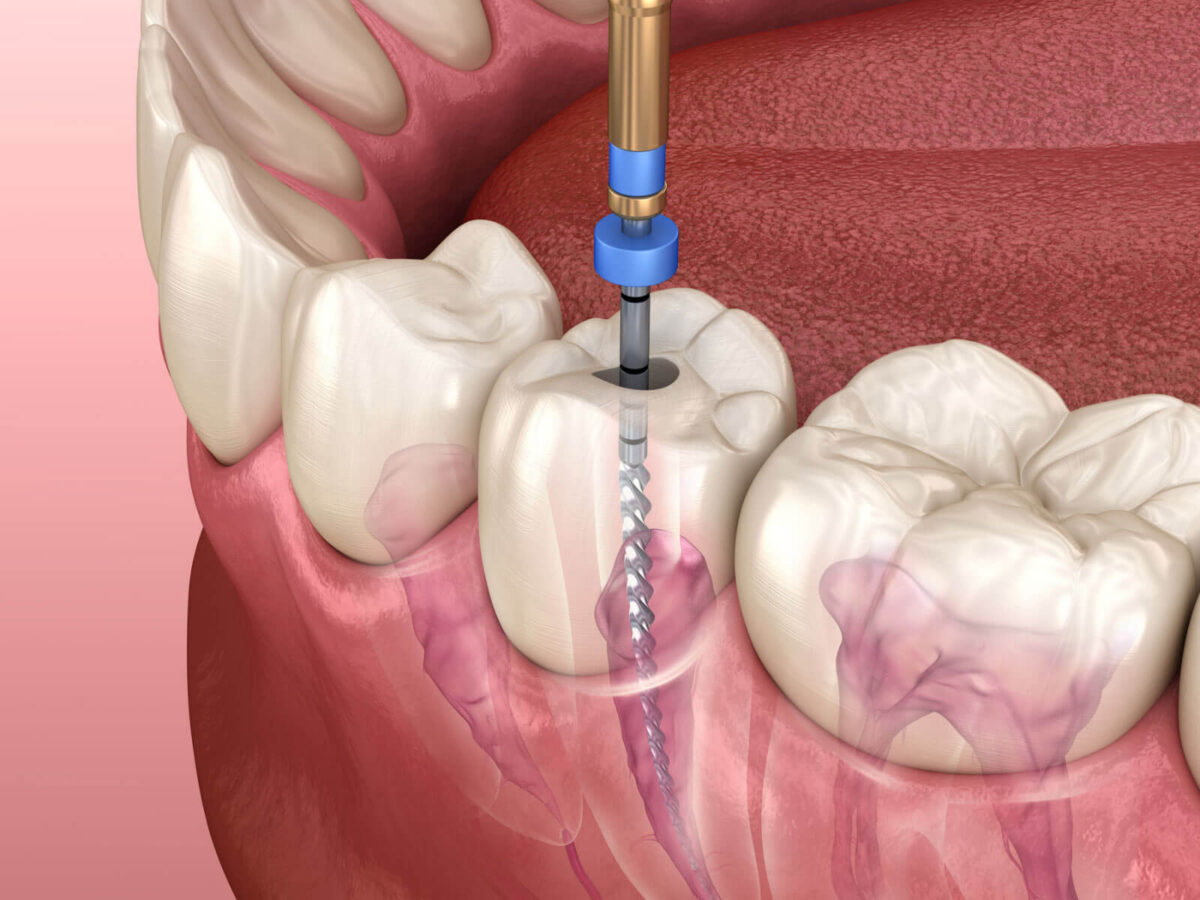
Root canal treatment removes inflamed or infected tissue from inside a tooth, cleans and seals the canal system, and allows the tooth to remain in the mouth. Once the procedure is finished, patients often have a new question: What should recovery feel like, and when is something not normal?
The American Association of Endodontists (AAE) explains that mild soreness, tenderness, or sensitivity can occur for a few days after treatment. Severe pain, increasing pressure, visible swelling, an uneven bite, or a temporary filling or crown that comes out should prompt a call to the treating dentist or endodontist. AAE: Post-Treatment Care
Your own provider’s instructions come first because treatment details vary from tooth to tooth.
What can feel normal after a root canal?
As local anesthesia wears off, the tooth and surrounding tissues may feel different from the rest of your mouth. The AAE notes that some tenderness for a few days can occur, especially when the tooth was painful or infected before treatment. AAE: Root Canal Explained
The important pattern is improvement. Mild symptoms that gradually settle are different from pain or swelling that is becoming more intense.
Do not use an online timeline as a reason to wait through severe or worsening symptoms. Call the dental office when the recovery does not follow the instructions you were given.
Protect the tooth before the final restoration
Root canal treatment addresses the inside of the tooth, but the tooth often still needs a permanent restoration to protect and restore function. The AAE advises avoiding chewing heavily on an unrestored treated tooth because it can be more susceptible to fracture. AAE: Root Canal Explained
Depending on the amount of remaining tooth structure and the tooth’s location, the final restoration may be a filling, crown, or another option recommended by your dentist.
If a crown is planned, our dental crown versus filling guide explains why the amount of healthy tooth structure and chewing forces matter.
Can you brush and floss normally?
The AAE states that patients can generally continue brushing and flossing after root canal treatment unless their dentist or endodontist gives different instructions. Be gentle around a sore area and avoid disturbing a temporary restoration. AAE: Root Canal Explained
Good oral hygiene remains important because root canal treatment does not make the outside of the tooth, the gums, or neighboring teeth immune to plaque and decay.
Gateway Dental’s oral hygiene and preventive dentistry services support the ongoing care that treated and untreated teeth still need.
What about eating after treatment?
Follow the instructions from the clinician who treated the tooth. While the mouth is numb, take extra care to avoid biting the cheek, lip, or tongue. The AAE advises avoiding chewing on the treated tooth until it has been adequately restored. AAE: Post-Treatment Care
If you have a temporary filling or crown, avoid foods or habits that your dental team says could loosen or fracture it.
A temporary restoration that comes out should be reported. Our guide on what to do when a temporary crown falls off is scheduled for the day before this article and will be available by this article’s publication time.
Which symptoms deserve a prompt call?
The AAE recommends contacting the treating office for concerns such as:
- Severe pain or pressure lasting more than a few days
- Visible swelling inside or outside the mouth
- An allergic reaction to medication
- A bite that feels uneven
- A temporary crown or filling that comes out
- Symptoms from before treatment returning
Also call sooner if symptoms are rapidly worsening or you develop difficulty swallowing, breathing, or significant facial swelling. Those symptoms can require urgent medical evaluation.
Why can a treated tooth hurt again later?
Most treated teeth heal and function well, but a tooth can sometimes develop a problem months or years later. The AAE notes that missed anatomy, delayed or inadequate final restoration, new decay, fracture, or contamination can contribute to persistent or recurrent disease. Retreatment or endodontic surgery may sometimes help save the tooth. AAE: Endodontic Retreatment
Pain in a previously treated tooth is not something to self-diagnose. It may come from the tooth, bite, gums, neighboring teeth, or another source.
What should follow-up include?
Before you consider the treatment process complete, make sure you understand:
- Whether a permanent crown or filling is still needed
- When that restoration should be completed
- Whether the treating clinician wants a healing check
- Which symptoms should trigger an earlier call
- How to care for the tooth long term
Gateway Dental offers root canal treatment as part of its dental services. Patients can contact the Coral Way or Hialeah office for an evaluation.
Recovery is not about reaching a universal number of pain-free days. It is about following the treatment-specific instructions, protecting the tooth until restoration is complete, and contacting the dental team when symptoms worsen instead of improve.
Continue learning about your dental care. Siga aprendiendo sobre su cuidado dental.
Explore more Gateway Dental articles related to patient education, dental visits, and treatment planning. Explore más artículos de Gateway Dental relacionados con educación del paciente, visitas dentales y planificación de tratamiento.

Root Canal Treatment
Do You Need a Crown After a Root Canal? Why the Final Restoration Matters
Learn why root canal treatment is followed by a permanent restoration, which teeth often need crowns, and why delaying the final repair can put the tooth at risk.

Root Canal Treatment
Do I Need a Root Canal? Symptoms Dentists Evaluate Before Treatment
Learn which symptoms can point to an inflamed or infected tooth pulp, why pain alone cannot diagnose a root canal, and what dentists check before recommending treatment.

Restorative Dentistry
Root Canal vs. Tooth Extraction: How Dentists Decide
Learn how dentists compare root canal treatment and tooth extraction, what can make a tooth savable, and what to ask before choosing treatment.
Our team is here to help you understand your options. Nuestro equipo está aquí para ayudarle a entender sus opciones.
Call Gateway Dental to schedule a visit or ask questions about services, insurance, financing, or next steps. Llame a Gateway Dental para agendar una visita o hacer preguntas sobre servicios, seguros, financiamiento o próximos pasos.