

Do You Need a Crown After a Root Canal? Why the Final Restoration Matters
Learn why root canal treatment is followed by a permanent restoration, which teeth often need crowns, and why delaying the final repair can put the tooth at risk.
Written By Escrito Por
Gateway Dental

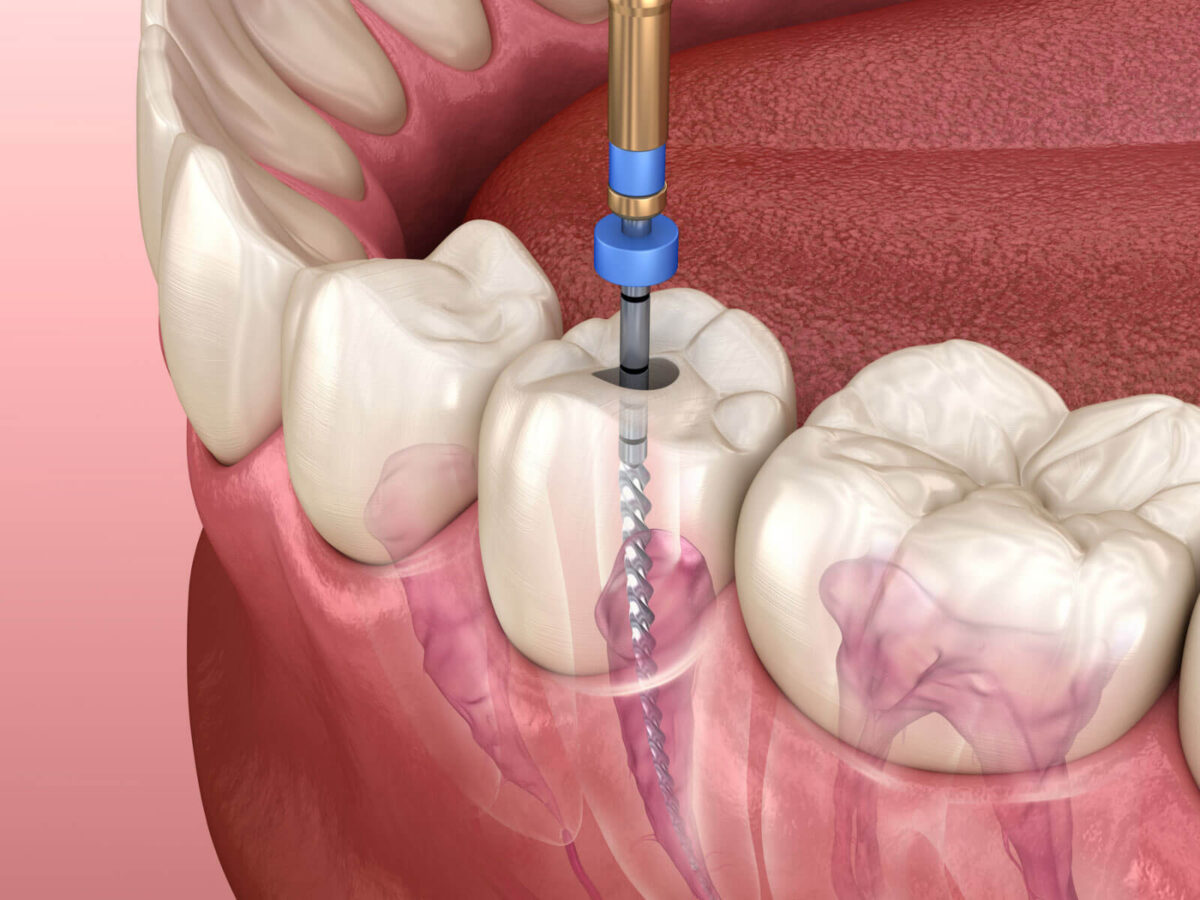
Root canal treatment removes inflamed or infected pulp from inside a tooth, but that is only one part of saving the tooth.
After the canals are cleaned, filled, and sealed, the tooth still needs a permanent restoration to protect it and restore function.
For many back teeth, that restoration is a crown. But a crown is not automatically required for every root-canal-treated tooth.
The American Association of Endodontists explains that molars and premolars generally need crowns because they absorb heavier chewing forces, while some front teeth may be restored differently depending on how much tooth structure remains. AAE: Root Canal Explained
Why does the tooth need a final restoration?
Root canal treatment creates an access opening through the tooth so the canals can be treated.
The tooth may also have already lost structure because of:
- Deep decay
- A large filling
- A crack
- Trauma
- Repeated previous dental work
The final restoration seals the tooth and helps it tolerate normal function.
AAE guidance emphasizes returning for a crown or other permanent restoration after endodontic treatment. AAE: Post-Treatment Care
Does every root canal need a crown?
No.
The decision depends on:
- Which tooth was treated
- How much healthy tooth remains
- Whether the tooth has cracks
- The size of the access opening
- Existing fillings
- Bite forces
- Whether the tooth is used heavily for chewing
Back teeth commonly benefit from full cuspal coverage because they absorb strong chewing forces.
Some front teeth may be restored with a bonded filling or another restoration when enough healthy structure remains.
Why are molars more likely to need crowns?
Molars and premolars have cusps that bear chewing forces.
If a tooth has lost substantial internal or external structure, those cusps may be more vulnerable to fracture.
A crown wraps around the tooth and can provide broader protection than a small direct filling.
Our crown vs. filling guide explains how dentists compare remaining structure, location, and load.
What happens between the root canal and the crown?
A temporary filling or temporary crown may protect the tooth until the permanent restoration is completed.
During that time:
- Follow the treating dentist’s instructions
- Avoid heavy chewing on the tooth if advised
- Keep brushing and flossing gently
- Call if the temporary restoration comes out
- Do not delay the final restoration without discussing it
AAE notes that delayed restoration can allow leakage or new contamination and may jeopardize the treated tooth. AAE: Endodontic Retreatment
Can you chew normally after a root canal?
Not necessarily right away.
Until the tooth is fully restored, it may be more vulnerable to fracture.
The AAE advises avoiding heavy biting on a treated tooth until the permanent restoration is complete. AAE: Post-Treatment Care
After the final restoration, the dentist will check the bite and explain any remaining restrictions.
What if the temporary filling falls out?
Call the office.
A temporary filling is not intended to function indefinitely.
The AAE lists loss of a temporary filling or crown as a reason to contact the treating provider after root canal treatment. AAE: Post-Treatment Care
Do not attempt to permanently glue it back yourself.
What if the tooth still hurts?
Some tenderness can occur during early healing, especially with biting.
Pain that is severe, worsening, associated with swelling, or returning after symptoms had improved should be evaluated.
Our root canal recovery guide explains common healing patterns and warning signs.
Does a crown guarantee the tooth will never break?
No.
A crown improves protection but does not make a tooth indestructible.
The tooth can still develop decay at the crown margin, periodontal problems, fractures, or problems from heavy bite forces.
Long-term care still requires brushing, interdental cleaning, and regular examinations.
Plan the restoration before treatment is finished
Before leaving the root canal appointment, ask:
- What temporary restoration is in place?
- What permanent restoration is planned?
- When should it be completed?
- Can I chew on the tooth before then?
- What symptoms should prompt a call?
Gateway Dental provides root canal treatment and restorative dentistry. The endodontic and restorative phases should be viewed as parts of one tooth-saving plan.
Continue learning about your dental care. Siga aprendiendo sobre su cuidado dental.
Explore more Gateway Dental articles related to patient education, dental visits, and treatment planning. Explore más artículos de Gateway Dental relacionados con educación del paciente, visitas dentales y planificación de tratamiento.
Root Canal Treatment
Root Canal Recovery: What to Expect After Treatment and When to Call
Learn what can be normal after root canal treatment, why the final restoration matters, how to protect the tooth, and which symptoms need prompt follow-up.

Root Canal Treatment
Do I Need a Root Canal? Symptoms Dentists Evaluate Before Treatment
Learn which symptoms can point to an inflamed or infected tooth pulp, why pain alone cannot diagnose a root canal, and what dentists check before recommending treatment.

Restorative Dentistry
Root Canal vs. Tooth Extraction: How Dentists Decide
Learn how dentists compare root canal treatment and tooth extraction, what can make a tooth savable, and what to ask before choosing treatment.
Our team is here to help you understand your options. Nuestro equipo está aquí para ayudarle a entender sus opciones.
Call Gateway Dental to schedule a visit or ask questions about services, insurance, financing, or next steps. Llame a Gateway Dental para agendar una visita o hacer preguntas sobre servicios, seguros, financiamiento o próximos pasos.